



Large scale delays caused by winter storms in the eastern United States
Due to the continuous ravages of winter storm Fern, the eastern and central southern regions of the United States have been hit by a double blow of blizzards, freezing rain, and extreme low temperatures. Over 24 states in the United States have entered a state of emergency, and local logistics networks have suffered systematic damage. The overall efficiency of cross-border freight transportation on the US route has been greatly hindered. Core aviation hubs such as New York, Dallas, and Atlanta have been severely affected, with over 14000 flights cancelled so far. Airport cargo distribution operations have come to a standstill, and even if goods arrive at the port, they have to wait in open-air cargo yards for snow removal, with a detention time of up to 72 hours.
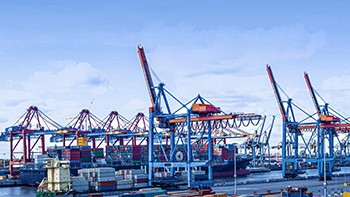
Ground transportation has also been completely paralyzed, with multiple logistics core interstate highways such as I-95 and I-40 closed due to road icing, and truck intermodal transportation completely interrupted. The average waiting time for inland trailer pickup and container return has increased by 12-24 hours; The main railway lines in the eastern region have also experienced operational failures due to signal equipment icing, resulting in a significant decline in train punctuality and a complete disconnection between multimodal transport connections. At the same time, container yards at core ports in the East Coast of the United States, such as the Port of New York New Jersey and the Port of Baltimore, were forced to restrict their flow due to delayed snow removal, resulting in longer waiting times for container pickup from the usual 2 days to 5-6 days, further exacerbating the backlog of goods.
Affected by multiple obstacles in aviation, land transportation, and ports, the overall delivery time of cross-border goods on the US route has been generally extended by 24-48 hours. Logistics giants such as FedEx and UPS have listed this storm as force majeure and exempted them from related delay compensation responsibilities. At present, major freight forwarding companies have fully activated emergency support mechanisms, prioritizing the allocation of scarce cabin space and transportation capacity to ensure the transportation of high time sensitive and high priority goods such as fresh produce, medicine, and electronic components, and temporarily suspending the scheduling of ordinary goods.
In addition, the Arctic cold air after the storm is still lingering, and the melted ice and snow during the day freeze again at night to form "black ice". The dangerous road conditions are difficult to quickly alleviate, and the clearance and operation recovery of airports and ports require time. The industry expects that the risk of logistics delay on the US route will last for 3-5 days, and the tight situation of cross-border cargo space will also continue.